
In today’s digital landscape, achieving top positions on Google requires a well-planned and ethical SEO strategy. While keywords and content remain essential, backlinks continue to play a critical role in determining how websites rank. However, with frequent algorithm updates, unsafe or spammy link-building practices can do more harm than good. This is why focusing on safe link building is the key to improving Google rankings while maintaining long-term stability.
Why Safe Link Building Matters
Search engines like Google prioritize trust, relevance, and user experience. Backlinks act as signals of credibility, but not all links are treated equally. Low-quality or manipulative links can trigger penalties, causing rankings to drop significantly.
Safe link building ensures that your multi tier backlink packages align with search engine guidelines. It focuses on acquiring links from authoritative, relevant, and trustworthy sources. This approach not only improves rankings but also protects your website from potential risks.
Understanding High-Quality Backlinks
High-quality backlinks come from websites with strong authority, real traffic, and relevant content. These links provide more value because they signal authenticity and trust.
When evaluating backlinks, consider factors such as Domain Authority (DA), Trust Flow (TF), and content quality. Links placed within well-written, informative articles are more effective than those placed randomly or in low-quality content.
Relevance is another key factor. Backlinks from websites within your niche carry more weight and help establish your site as an authority in your industry.
The Role of PBN Links in Safe SEO
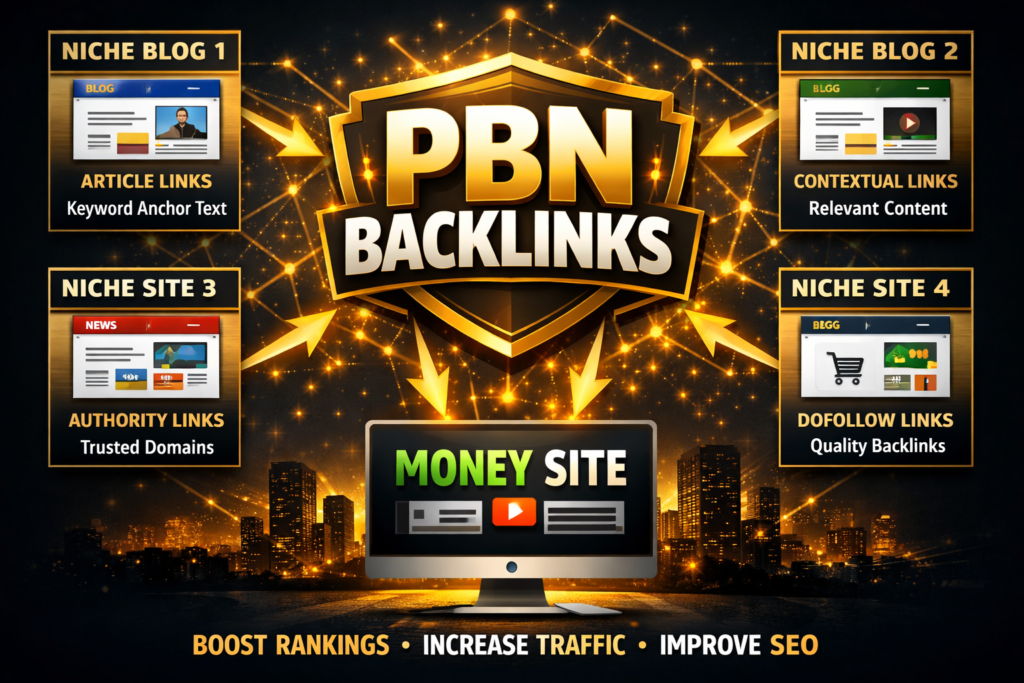
Private Blog Network (PBN) links are often associated with fast results, but they can also be used safely when managed properly. The key is to ensure that these links come from high-quality domains with clean histories and real content.
Many businesses choose to buy permanent PBN Backlinks as part of their strategy because they provide long-term value. Permanent links remain active over time, ensuring consistent link equity and sustained rankings.
Additionally, some providers offer the option to buy PBN backlinks with traffic, which not only boosts SEO but also drives real visitors to your website. This combination of authority and traffic can significantly enhance your overall online presence.
Best Practices for Safe Link Building
To improve your Google rankings safely, it’s important to follow proven best practices. First, focus on quality over quantity. A top quality link packages can have a greater impact than a large number of low-quality links.
Second, diversify your backlink profile. Use a mix of strategies such as guest posting, niche edits, editorial links, and PBN links. This creates a natural link ecosystem that search engines favor.
Third, use varied anchor text. Avoid over-optimization by mixing branded, generic, and keyword-rich anchors. This helps maintain a balanced and natural backlink profile.
Fourth, build links gradually. Acquiring too many backlinks in a short period can appear unnatural and raise red flags with search engines.
Combining Content and Link Building
Content plays a vital role in safe link building. High-quality, informative content attracts natural backlinks and enhances user engagement. When your content provides value, other websites are more likely to link to it.
Combining strong content with strategic link building creates a powerful SEO strategy. Backlinks amplify the reach of your content, while quality content ensures that those links deliver maximum impact.
Benefits of Safe Link Building
One of the biggest advantages of safe link building is long-term stability. Unlike risky tactics that may lead to penalties, safe strategies ensure consistent growth and sustainable rankings.
Another benefit is improved brand credibility. When your website earns links from reputable sources, it builds trust among both users and search engines.
Safe link building also enhances user experience. By focusing on relevant and valuable content, you create a better experience for visitors, which can lead to higher engagement and conversions.
Common Mistakes to Avoid
One common mistake is choosing cheap or low-quality backlinks. These links often come from spammy websites and can harm your rankings.
Another mistake is ignoring relevance. Links from unrelated niches carry less value and may not contribute significantly to your SEO goals.
Over-optimizing anchor text is another risk. Using the same keywords repeatedly can make your backlink profile appear unnatural and trigger penalties.
Finally, relying solely on one type of backlink can limit your results. A diversified approach is essential for building a strong and natural link profile.
How to Choose the Right Link Building Service
Selecting the right provider is crucial for safe and effective link building. Look for services that prioritize quality, transparency, and long-term results.
A reliable provider will offer detailed reports on link placements, domain metrics, and performance. They will also use ethical practices to ensure that your backlinks align with search engine guidelines.
Customization is another important factor. Every website has unique goals, so choose a provider that offers tailored solutions rather than generic packages.
Conclusion
Improving Google rankings with safe link building requires a strategic and ethical approach. By focusing on high-quality backlinks, relevant content, and best practices, you can achieve sustainable growth without risking penalties.
Incorporating strategies like buy permanent PBN Backlinks and buy PBN backlinks with traffic into a balanced SEO plan can provide both authority and visibility. The key is to prioritize quality, maintain diversity, and follow a long-term strategy.
With the right approach, safe link building can become a powerful driver of success, helping your website achieve higher rankings, increased traffic, and lasting credibility in the competitive digital world.